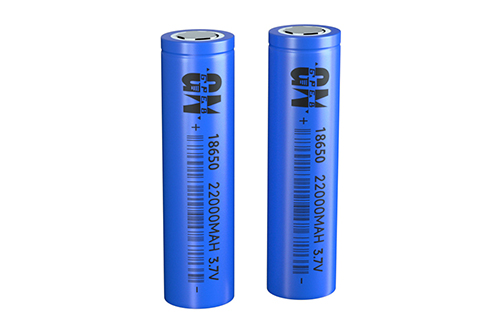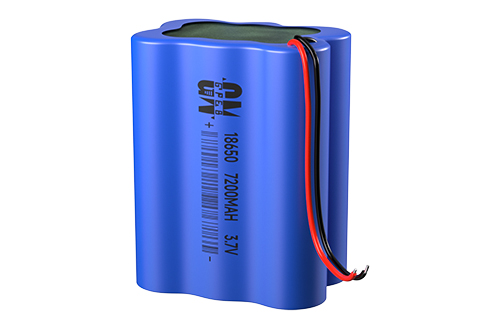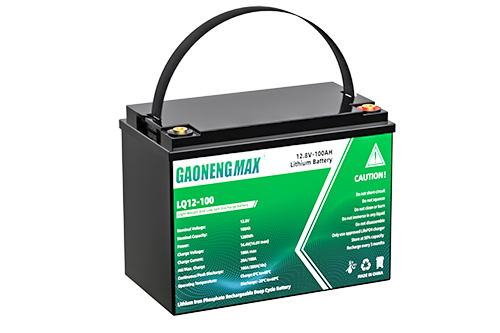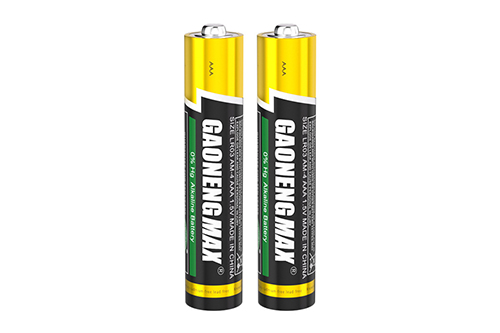
Lithium Battery 3.7V Lithium Polymer Battery 3.2V LifePo4 Battery 1.2V Ni-MH Battery Button Coin Battery

3.7V Battery Pack 7.4V Battery Pack 11.1V Battery Pack 14.8V Battery Pack Other Battery Pack
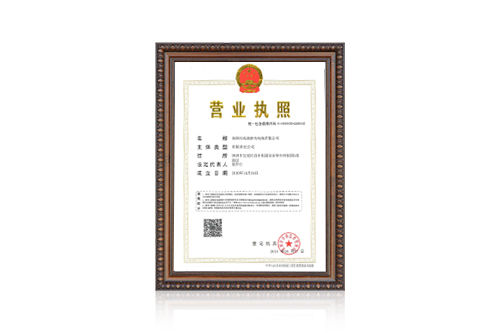
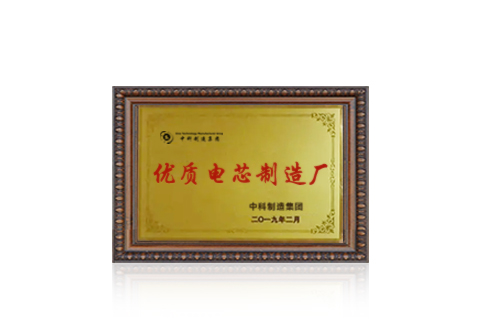
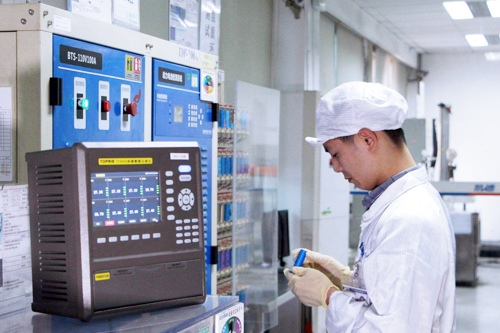
Sino Science&Technology Battery Co.,ltd is a high-tech production enterprise which specialize in the R&D and production of Lifepo4 batteries,energy storage battery,portable UPS power supply,personalized customization lithium battery pack etc .

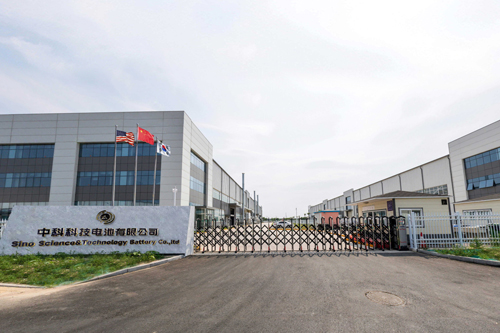
Environmental cylindrical 18650 21700 32700 26650 14500 18500 lithium ion rechargeable battery, LifePO4 battery,3.7V lithium polymer battery, NiMH battery , NiCD battery ,Lead acid battery,dry cell battery ,alkaline battery ,heavy duty battery, button cell battery etc. we devote to R&D,innovation ,production & sales

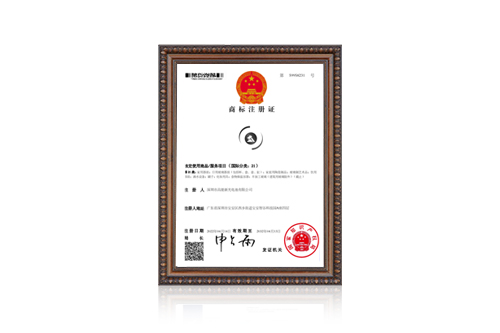
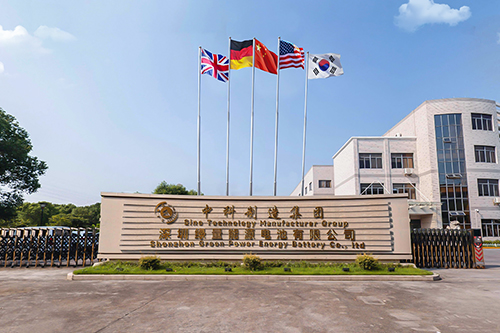
Shenzhen Green Power Energy Battery Co.,ltd specializes in a wide range of digital battery such as environmental cylindrical 18650 21700 32700 26650 14500 18500 lithium ion rechargeable battery, LifePO4 battery, 3.7V lithium polymer battery, NiMH battery, NiCD battery, dry cell battery, alkaline battery, heavy duty battery, button cell battery etc. we devote to R&D, innovation, production & sales. With automatic production machines we have been exported goods to all over the world over 15years. We have complete exported certificate such as KC, CE, UL, BSCI, ROHS, BIS, SGS, PSE etc
Dongguan Datapower New Energy Co.,ltd is a high-tech production enterprise which specialize in the R&D and production&sale of lithium polymer batteries,drone battery,airplane batteries &battery pack etc.

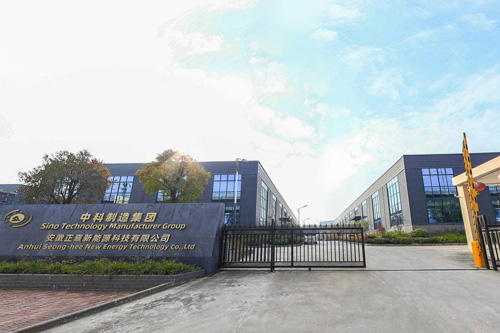
Anhui Seong-hee New Energy Technology Co.,ltd is a high-tech production enterprise which specialize in the R&D and production of primary batteries. And mainly produces and sells alkaline batteries & carbon zinc batteries. there are size AA, AAA, C, D, 9V etc
Guizhou STD Battery Co.,ltd is a high-tech production enterprise which specialize in the R&D and production & sale of lithium polymer batteries, drone battery, airplane batteries & battery pack etc.

release time:2023-11-14 Hits: Popular:AG11 battery
According to foreign media reports, electric car manufacturer Tesla's battery research team in Canada recently submitted a new patent application. This is a method of analyzing electrolytes in lithium-ion batteries, which will help prevent batteries from developing. Fault.
The patent was filed in Halifax by the Tesla battery research team led by Jeff Dahn. Dahn is considered a pioneer in the field of lithium-ion batteries. Dahn has been committed to the research of lithium-ion batteries since their invention. He helped improve the life cycle of lithium-ion batteries, which aided their commercialization. Dahn's work now focuses on improving battery energy density and durability.
In 2016, under the newly established "NSERC/Tesla Canada Industrial Research" (NSERC/Tesla Canada Industrial Research), Dahn's research team ended its 20-year research agreement with 3M and began to cooperate with Tesla. With this agreement, Tesla invests in a new research lab near Dahn Group near Halifax, Nova Scotia.
Dahn hasn't revealed much in the past few years, but it has been previously reported that his team has been working on electrolyte additives to improve the chemical properties of lithium-ion batteries. Earlier this year, the team began to apply for a battery technology patent for Tesla, and today it announced a new patent, which is the so-called "Method and System for Determining the Concentration of Electrolyte Composition in Lithium-Ion Batteries."
Dahn et al. describe the invention in the patent application abstract:
Our technology provides a computer-implemented method for determining the concentration of electrolyte components in lithium-ion batteries or lithium-ion batteries. The method includes issuing instructions to a spectrometer to capture a spectrum of an electrolyte sample solution and generate a signal. The method involves analyzing the signal to determine one or more spectral features of the spectrum.
The method includes preparing a spectral database corresponding to solutions having predetermined concentrations of electrolyte components, wherein the database includes a spectral database for a plurality of spectral features for each solution. The method also includes determining a machine learning (ML) model using a spectral database, and includes using the ML model to determine the concentration of the electrolyte component in the sample solution.
Tesla described current problems with electrolytes and how to analyze their status:
A major cause of failure in lithium-ion batteries, especially in high-voltage batteries, is the degradation of the electrolyte, especially on the surface of the charging electrode. Existing methods to solve battery failure and electrolyte degradation mainly focus on electrolyte decomposition product films built on the electrode surface. These films contain chemical components derived from electrolyte solvents and electrolyte salts, such as lithium hexafluorophosphate (LiPF6).
For example, LiPF6 decomposes into LiF and PF5, which is easily hydrolyzed into HF and PF3O. Both hydrolysis products are highly active on the electrode, and they inevitably exist in the LiPF6 solution and may adversely affect the performance of the electrode. Although the consumption mechanism of electrolyte solvent and electrolyte salt LiPF6 in lithium-ion batteries has been determined, there does not exist a cheap and accurate method to characterize unknown electrolytes and thereby determine the degree of electrolyte degradation.
Typically, quantitative analysis of electrolyte solutions focuses on expensive analytical tools such as nuclear magnetic resonance spectrometry (NMR), gas chromatography-mass spectrometry (GC-MS), high-performance liquid chromatography (HPLC), and inductively coupled plasma optical emission spectrometry (ICP). -OES) and requires a significant amount of time to analyze. Furthermore, some analytical tools cannot even directly measure the concentration of electrolyte components. For example, columns or detectors used in chromatographic methods cannot be exposed to the high-temperature decomposition products of LiPF6, so these methods focus only on the organic portion of the electrolyte.
Read recommendations:
What brand is a high-quality mobile power cell?
LR726 battery.How to test the capacity of lithium batteries
Last article:5kwh energy storage battery.Can battery technology rewrite ship power?
Next article:3.2v 100ah lifepo4 battery.Hunan Corun fuel cell technology industrialization process accelerates
Popular recommendation
18650 lithium battery 3.7 v
2023-03-22551235 battery wholesaler
2023-03-22801520 lipo battery company
2023-03-22601848 lipo battery company
2023-03-22551235 polymer battery
2023-03-22Li-ion 21700 5000mAh 3.7V
2022-06-20601525 170mAh 3.7V
2022-07-01Snow board shoulder strap set
2022-09-2221700 4800MAH 3.7V
2022-10-15LR03
2022-08-19No.1 card-mounted carbon battery R20
2023-06-28Coin Battery CR 2354
2022-09-27521133 160mAh 3.7V
2022-07-01Coin Battery CR 1616
2022-09-27LR6
2022-08-19CR3032 battery
2023-06-251800mah 18650 battery
2023-06-253.7v 18650 lithium battery
2023-06-253.7v battery 18650
2023-06-25LR754 battery
2023-06-25What is the working principle of lead-acid battery charging and discharging?
2024-03-11Advantages of lithium iron phosphate battery
2022-12-07What is the difference between nickel -metal hydride battery and nickel -cadmium battery?energy stor
2023-05-12Preparation method of Lithium iron phosphate battery.lithium battery 18650
2023-07-24How high are the costs of litAG4 battery.hium-ion batteries compared to other battery technologies?
2023-11-1618650 battery 3.7v 3500mah.Analysis of common process points for 18650 lithium-ion batteries
2023-10-13Water lithium battery.LR754 battery
2023-07-04What are the types of low-temperature batteries used according to their environment?3.7 volt 18650 l
2023-09-08Improve the treatment of Iron(II) phosphate lithium battery
2023-10-07What should I pay attention to when using a lithium battery in RV
2023-02-22
360° FACTORY VR TOUR