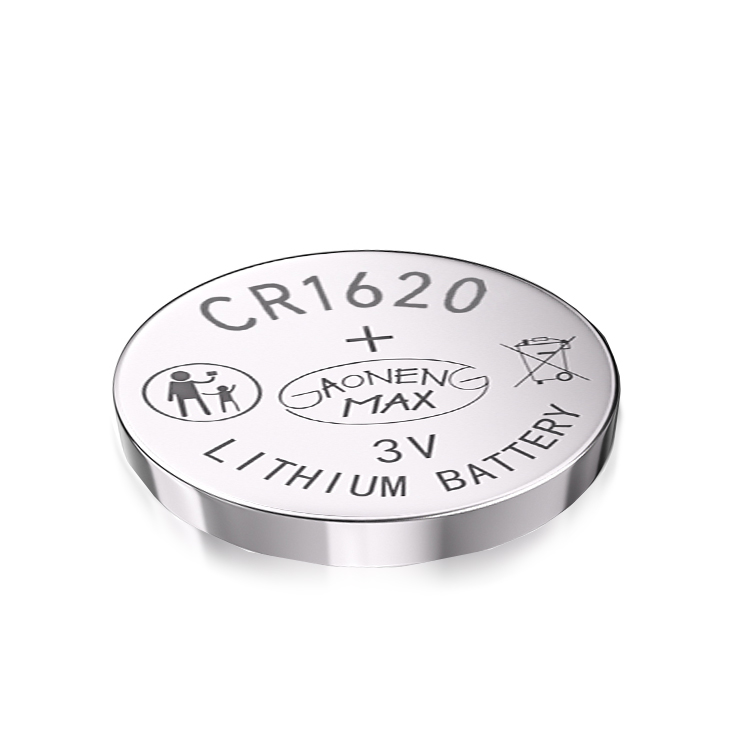
Lithium-battery performance testing instruments are specialized devices designed to evaluate the electrical, thermal, and safety performance of lithium-ion, lithium-polymer, and other lithium-based batteries—critical for quality control in manufacturing, research and development (R&D) of new battery chemistries, and lifecycle assessment in end-use applications (such as electric vehicles, consumer electronics, and energy storage systems). Unlike generic electrical testing tools (e.g., multimeters) that only measure basic parameters like voltage, these instruments conduct comprehensive tests to simulate real-world operating conditions, ensuring batteries meet industry standards (such as IEC 61960 for consumer batteries or ISO 12405 for EV batteries) and perform reliably under varying loads, temperatures, and charging/discharging cycles.
At the core of these instruments are three primary test functions, each targeting a key performance metric: charge-discharge cycling, electrochemical impedance spectroscopy (EIS), and thermal safety testing. Charge-discharge cycling instruments (often called “battery cyclers”) simulate repeated charging and discharging processes to evaluate battery capacity retention, cycle life, and rate capability. For example, a high-precision cycler can discharge a lithium-ion battery at 0.5C (half the battery’s rated capacity per hour) to measure its initial capacity, then cycle it 500 times at 1C (full capacity per hour) to assess how much capacity it retains (a good battery should retain >80% capacity after 500 cycles). These instruments offer precise control over charging protocols (e.g., constant current-constant voltage, or CC-CV, the standard for lithium-ion batteries) and discharging profiles (e.g., pulsed discharge to simulate EV acceleration or constant discharge for energy storage), with current ranges from milliamps (for small consumer batteries) to hundreds of amps (for EV battery packs).
Electrochemical impedance spectroscopy (EIS) instruments analyze the battery’s internal resistance and electrochemical behavior by applying a small alternating current (AC) signal across a range of frequencies (typically 1 mHz to 1 MHz). This test reveals critical information about the battery’s electrolyte conductivity, electrode-electrolyte interface resistance, and diffusion of lithium ions in the electrodes—factors that directly impact charging speed and power output. For instance, a battery with a high interface resistance may charge slowly or generate excess heat, indicating manufacturing defects or electrolyte degradation. EIS data is often visualized as a Nyquist plot, allowing engineers to identify performance bottlenecks and optimize battery design (e.g., adjusting electrode thickness or electrolyte composition).
Thermal safety testing instruments evaluate a battery’s behavior under extreme temperatures and thermal abuse, a critical consideration for lithium batteries (which can experience thermal runaway if overheated or damaged). These instruments include environmental chambers that control temperature (ranging from -40°C to 85°C, covering cold winter conditions to hot EV engine bays) and humidity, paired with sensors to monitor battery temperature, voltage, and gas emissions during testing. Thermal abuse tests—such as overcharging, short-circuiting, or external heating—simulate worst-case scenarios to ensure batteries do not catch fire or explode. For example, an EV battery module test may involve heating the module to 150°C to verify that its thermal management system (e.g., cooling fans or liquid loops) can prevent thermal runaway. Advanced instruments also integrate high-speed cameras to record thermal events and gas analyzers to detect toxic emissions (e.g., carbon monoxide or fluorinated gases), supporting safety standard compliance (such as UL 1642 for lithium batteries).
Key technical features of lithium-battery performance testing instruments include precision, scalability, and data integration. High-end cyclers offer current and voltage accuracy of ±0.1% or better, ensuring reliable data for R&D. Scalable systems can test single cells (for R&D) or entire battery packs (for manufacturing quality control), with modular designs that allow adding more channels to test multiple batteries simultaneously. Data integration capabilities enable instruments to connect to laboratory information management systems (LIMS), storing test results (e.g., capacity, impedance, cycle life) and generating reports for compliance audits or design optimization.
In practical applications, these instruments are indispensable across the battery lifecycle. In manufacturing, they screen out defective batteries (e.g., those with low capacity or high internal resistance) before they reach consumers. In R&D, they support the development of next-generation batteries (e.g., solid-state lithium batteries) by comparing performance across different chemistries. In end-use, they assess battery health in EVs or energy storage systems, helping to predict remaining lifespan and optimize maintenance schedules. For example, a utility company using lithium-ion energy storage may use cyclers to test battery packs annually, ensuring they can still deliver the required power during peak demand.
lithium-battery performance testing instruments are foundational to the safe, reliable, and efficient use of lithium-based batteries. As demand for high-performance batteries grows (driven by EV adoption and renewable energy storage), the instruments will evolve to support higher voltages (e.g., 800V EV battery packs), faster testing (to reduce manufacturing costs), and real-time data analysis (using AI to predict battery failure), solidifying their role in the global battery ecosystem.
Read recommendations:
Ni-MH AAA1000mAh 1.2V
How to deal with the ignition problem of lithium ion batteries?
The basic concept of soft pack lithium battery and lithium battery pack and aluminum shell lithium b
801752 battery manufacture
NiMH battery pack





























 360° FACTORY VR TOUR
 Whatsapp
 Tel
Tel Email
Email TOP
TOP