Lithium Battery 3.7V Lithium Polymer Battery 3.2V LifePo4 Battery 1.2V Ni-MH Battery Button Coin Battery

3.7V Battery Pack 7.4V Battery Pack 11.1V Battery Pack 14.8V Battery Pack Other Battery Pack
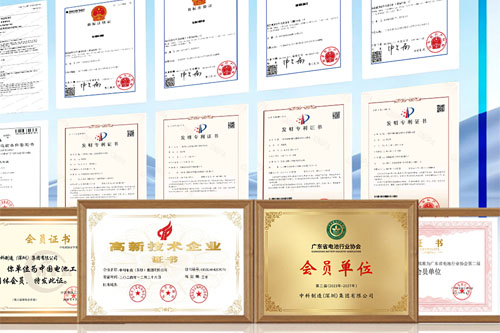
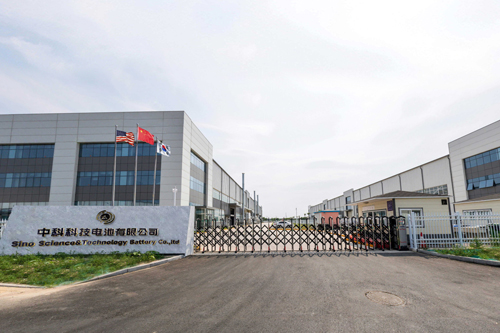
Sino Science&Technology Battery Co.,ltd is a high-tech production enterprise which specialize in the R&D and production of Lifepo4 batteries,energy storage battery,portable UPS power supply,personalized customization lithium battery pack etc .

Environmental cylindrical 18650 21700 32700 26650 14500 18500 lithium ion rechargeable battery, LifePO4 battery,3.7V lithium polymer battery, NiMH battery , NiCD battery ,Lead acid battery,dry cell battery ,alkaline battery ,heavy duty battery, button cell battery etc. we devote to R&D,innovation ,production & sales

Shenzhen Green Power Energy Battery Co.,ltd specializes in a wide range of digital battery such as environmental cylindrical 18650 21700 32700 26650 14500 18500 lithium ion rechargeable battery, LifePO4 battery, 3.7V lithium polymer battery, NiMH battery, NiCD battery, dry cell battery, alkaline battery, heavy duty battery, button cell battery etc. we devote to R&D, innovation, production & sales. With automatic production machines we have been exported goods to all over the world over 15years. We have complete exported certificate such as KC, CE, UL, BSCI, ROHS, BIS, SGS, PSE etc

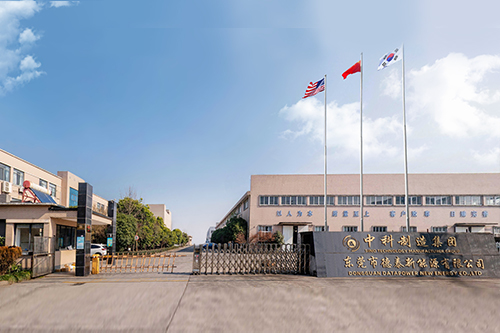
Dongguan Datapower New Energy Co.,ltd is a high-tech production enterprise which specialize in the R&D and production&sale of lithium polymer batteries,drone battery,airplane batteries &battery pack etc.
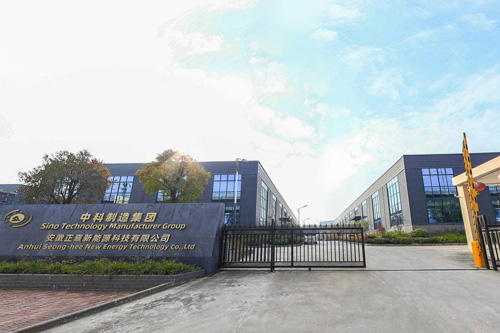
Anhui Seong-hee New Energy Technology Co.,ltd is a high-tech production enterprise which specialize in the R&D and production of primary batteries. And mainly produces and sells alkaline batteries & carbon zinc batteries. there are size AA, AAA, C, D, 9V etc
Guizhou STD Battery Co.,ltd is a high-tech production enterprise which specialize in the R&D and production & sale of lithium polymer batteries, drone battery, airplane batteries & battery pack etc.

release time:2025-07-22 Hits: Popular:AG11 battery
Maintenance-free batteries, such as sealed lead-acid (SLA) batteries, are designed to operate without regular addition of electrolyte, making them convenient for applications like uninterruptible power supplies (UPS), automotive starting systems, and solar energy storage. However, they can still suffer from performance degradation over time due to sulfation, internal short circuits, or electrolyte depletion, which may seem irreversible. While maintenance-free batteries are not designed to be opened, there are several repair methods that can restore their functionality in some cases, though success depends on the extent of damage.
Sulfation is the most common issue, occurring when lead sulfate crystals build up on the battery plates over time, especially if the battery is left in a discharged state for extended periods. These crystals reduce the surface area available for electrochemical reactions, leading to reduced capacity and difficulty in charging. One effective method to address sulfation is desulfation using a specialized desulfator device. This device sends high-frequency pulses through the battery, which break down the large lead sulfate crystals into smaller particles that can be dissolved and reused during charging. The process typically takes several days, and the battery should be connected to the desulfator while being slowly charged at a low current (around 10% of the battery’s capacity). This method is most effective for batteries with mild to moderate sulfation; severely sulfated batteries with hardened crystals may not respond.
Another approach for dealing with sulfation is equalization charging. This involves charging the battery at a higher voltage than its nominal voltage (e.g., 16 volts for a 12-volt battery) for a short period, typically 2-4 hours. The higher voltage helps to dissolve sulfate deposits, but it must be monitored carefully to avoid overheating or damaging the battery. This method should only be used on batteries that can still hold a partial charge, as completely dead batteries may not benefit. It is also important to ensure the battery is in a well-ventilated area during equalization, as the process can release small amounts of hydrogen gas.
For batteries that have lost electrolyte due to minor leakage or evaporation (though maintenance-free batteries are sealed, small cracks can occur), adding distilled water may help. However, this requires carefully drilling a small hole in the battery’s casing (usually over the cell caps, which are hidden under the label) and adding a few drops of distilled water to each cell. The hole must then be sealed tightly with epoxy to prevent further leakage. This method is risky, as improper sealing can lead to more damage or electrolyte loss, and it should only be attempted if the battery’s case is not severely damaged. It is also crucial to use only distilled water, as tap water contains minerals that can contaminate the electrolyte.
Internal short circuits, caused by damaged separators between the plates, are more difficult to repair. In some cases, gently tapping the battery on a firm surface can dislodge small particles that are causing the short, though this is a temporary fix and may not work for larger or more severe shorts. For automotive batteries, disconnecting the battery and allowing it to rest for 24-48 hours in a cool, dry place can sometimes resolve minor shorts caused by temporary conduction between plates due to sulfate deposits.
It is important to note that not all maintenance-free batteries can be repaired. If the plates are severely corroded, the case is cracked beyond repair, or the battery has been completely discharged for an extended period (leading to irreversible plate damage), replacement is the only option. Additionally, safety precautions must be taken when attempting any repair: wear protective gloves and goggles to avoid contact with electrolyte (which is corrosive), work in a well-ventilated area to prevent hydrogen gas buildup, and avoid creating sparks near the battery. Regular maintenance, such as keeping the battery fully charged and avoiding deep discharges, can help prevent damage and extend the life of maintenance-free batteries, reducing the need for repairs.
Read recommendations:
Lithium battery overcurrent protection.household energy storage battery
Power Output of Lithium-Ion Batteries for Power Applications
Last article:The Meaning of "Ternary" in Ternary Lithium Batteries
Next article:How to Maintain a Mobile Phone Battery
Popular recommendation
903242 battery pack
2023-05-0918650 800mAh 3.7V
2023-03-2218650 li ion rechargeable battery
2023-03-22801752 battery wholesaler
2023-03-22502030 battery Manufacturing
2023-03-22Wireless bluetooth headphones
2022-09-22Aromatherapy
2022-07-22601435 270mAh 3.7V
2022-08-19603450 1200mAh 3.7V
2022-07-01Lithium-ion battery GN500
2022-08-24LR20
2022-07-01Coin Battery CR 927
2022-09-2718650 1500mAh 3.7V
2022-08-19Wireless bluetooth headphones
2022-09-2218650 1500mAh 3.7V
2022-06-20lithuim ion battery 18650
2023-06-2518650 battery pack company
2023-06-253.7 volt battery 18650
2023-06-25AA Dry Battery
2023-06-25CR2430 battery
2023-06-25Lithium battery terminology, parameters, design and selection details
2024-03-28Fast Charging Technology for Rechargeable Lithium Batteries
2024-12-23How to Control the Cost of Lithium - ion Batteries
2024-11-19Power battery separator.18650 lithium battery 2600mah
2023-08-11Technological Development of Square Lithium - Ion Batteries
2025-03-11Analysis of common problems of lithium iron phosphate material in battery processing
2023-02-02Several major factors affecting the performance of lithium battery
2023-02-07Which is better, graphene battery or lithium battery
2022-11-17Precautions for use of lithium iron phosphate battery
2022-12-01The advantages and disadvantages of ternary lithium batteries.solar energy storage lithium ion batte
2023-04-04
360° FACTORY VR TOUR