Lithium Battery 3.7V Lithium Polymer Battery 3.2V LifePo4 Battery 1.2V Ni-MH Battery Button Coin Battery

3.7V Battery Pack 7.4V Battery Pack 11.1V Battery Pack 14.8V Battery Pack Other Battery Pack
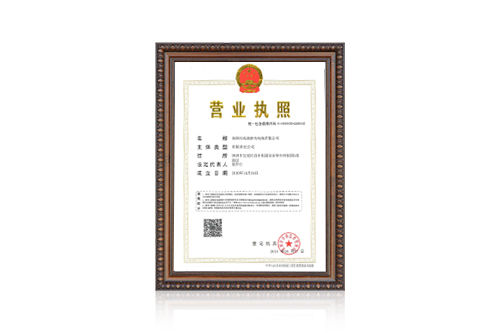
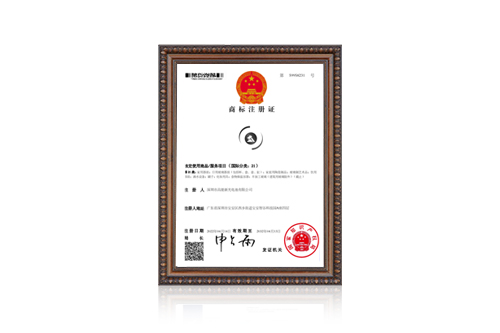
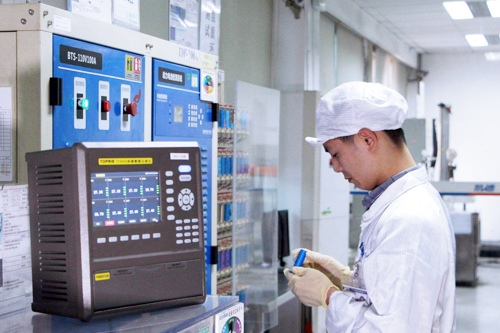
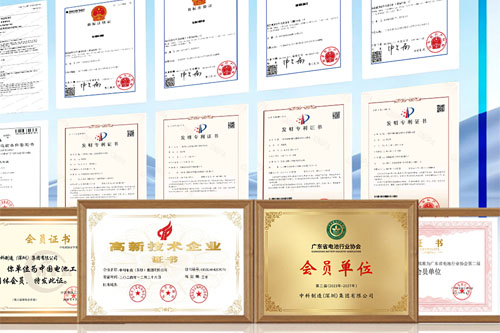
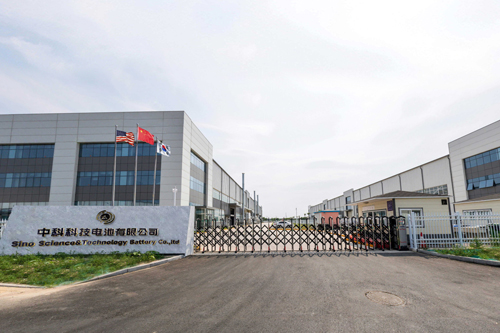
Sino Science&Technology Battery Co.,ltd is a high-tech production enterprise which specialize in the R&D and production of Lifepo4 batteries,energy storage battery,portable UPS power supply,personalized customization lithium battery pack etc .

Environmental cylindrical 18650 21700 32700 26650 14500 18500 lithium ion rechargeable battery, LifePO4 battery,3.7V lithium polymer battery, NiMH battery , NiCD battery ,Lead acid battery,dry cell battery ,alkaline battery ,heavy duty battery, button cell battery etc. we devote to R&D,innovation ,production & sales

Shenzhen Green Power Energy Battery Co.,ltd specializes in a wide range of digital battery such as environmental cylindrical 18650 21700 32700 26650 14500 18500 lithium ion rechargeable battery, LifePO4 battery, 3.7V lithium polymer battery, NiMH battery, NiCD battery, dry cell battery, alkaline battery, heavy duty battery, button cell battery etc. we devote to R&D, innovation, production & sales. With automatic production machines we have been exported goods to all over the world over 15years. We have complete exported certificate such as KC, CE, UL, BSCI, ROHS, BIS, SGS, PSE etc

Dongguan Datapower New Energy Co.,ltd is a high-tech production enterprise which specialize in the R&D and production&sale of lithium polymer batteries,drone battery,airplane batteries &battery pack etc.

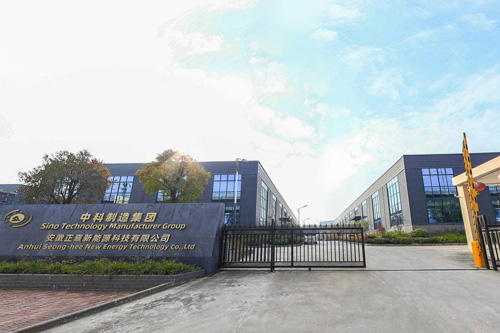
Anhui Seong-hee New Energy Technology Co.,ltd is a high-tech production enterprise which specialize in the R&D and production of primary batteries. And mainly produces and sells alkaline batteries & carbon zinc batteries. there are size AA, AAA, C, D, 9V etc
Guizhou STD Battery Co.,ltd is a high-tech production enterprise which specialize in the R&D and production & sale of lithium polymer batteries, drone battery, airplane batteries & battery pack etc.

release time:2024-03-09 Hits: Popular:AG11 battery
Graphene preparation technology is developing rapidly. Graphene's excellent properties and wide application prospects have greatly promoted the rapid development of graphene preparation technology. Since Geim et al. first prepared graphene using micromechanical exfoliation in 2004, researchers have developed numerous methods for preparing graphene. Among the more mainstream methods are epitaxial growth method, chemical vapor deposition CVD method and graphite oxide reduction method.
The existing production methods cannot meet the requirements of graphene industrialization. Many preparation methods, including micromechanical exfoliation, epitaxial growth, chemical vapor deposition (CVD) and graphite oxide reduction, still cannot meet the requirements of industrialization. In particular, industrialization requires graphene preparation technology that can produce large-area, high-purity graphene stably and at low cost. This preparation technology problem has not yet been solved.
micromechanical exfoliation method
Graphene is first produced by micromechanical exfoliation. The micromechanical peeling method uses transparent tape to press highly oriented pyrolytic graphite sheets onto other surfaces and peel them off multiple times to finally obtain a single layer or several layers of graphene. In 2004, Geim, Novoselov and others obtained single-layer graphene for the first time in the world through this method, proving that the two-dimensional crystal structure can exist at room temperature.
The micromechanical peeling method is simple to operate and has high sample quality. It is currently the main method for producing single-layer high-quality graphene. However, its controllability is poor, the size of the graphene produced is small and there is great uncertainty. At the same time, the efficiency is low, the cost is high, and it is not suitable for large-scale production.
epitaxial growth method
Epitaxial growth methods include silicon carbide epitaxial growth and metal catalyzed epitaxial growth. The silicon carbide epitaxial growth method refers to heating SiC single crystal at high temperature, so that the Si atoms on the SiC surface are evaporated and separated from the surface, and the remaining C atoms are reconstructed through self-organization, thereby obtaining graphene based on the SiC substrate.
The metal catalytic epitaxial growth method is to pass hydrocarbons into the surface of a catalytically active transition metal substrate such as Pt, Ir, Ru, Cu, etc. under ultra-high vacuum conditions, and catalytically dehydrogenate the adsorbed gas through heating to produce graphene. . Gas can grow over the entire metal substrate during the adsorption process, and its growth process is a self-limiting process, that is, the substrate will not absorb the gas again after adsorbing it. Therefore, the graphene prepared is mostly a single layer and can be grown over a large area. Preparation of uniform graphene.
Chemical vapor deposition CVD method: the most potential large-scale production method
The CVD method is considered the most promising method for preparing high-quality, large-area graphene, and is the most promising method for industrial production of graphene films. The specific process of the chemical vapor deposition CVD method is: Pour hydrocarbons such as methane and ethanol into the Cu and Ni surfaces of metal substrates heated at high temperatures. The reaction lasts for a certain period of time and then is cooled. During the cooling process, several layers or layers will be formed on the surface of the substrate. For single-layer graphene, this process involves the dissolution and diffusion growth of carbon atoms on the substrate. This method is similar to the metal catalytic epitaxial growth method. Its advantage is that it can be carried out at a lower temperature, thereby reducing the energy consumption during the preparation process, and graphene and the substrate can be easily separated by chemical corrosion of metal, which is beneficial to The graphene is subsequently processed.
Samsung used this method to obtain a single layer of graphene with a diagonal length of 30 inches, showing the great potential of this method as an industrial production method. However, the thickness of the graphene produced by this process is difficult to control. Only a small part of the available carbon is converted into graphene during the precipitation process, and the transfer process of graphene is complicated.
Read recommendations:
Which is better, lithium battery or lead-acid battery.1.5V rechargeable battery
Lithium Manganate Lithium - ion Batteries
Last article:r03 battery.Research progress on application of supercapacitor composite electrode materials
Next article:AG10 battery.Technical requirements of power grid companies for inverters to be connected to distrib
Popular recommendation
Ni-MH battery packs
2023-03-22502030 lipo battery
2023-03-2216340 battery sales
2023-03-22603450 lipo battery company
2023-03-22801752 battery wholesaler
2023-03-22L1325 4LR44
2022-10-09R14
2023-02-18402427 260MAH 3.7V
2023-06-126LR61
2022-08-19LR6
2022-07-01Coin Cell BR 1632
2022-10-15Coin Battery CR 1225
2022-09-27L822 32A/29A
2022-10-096F22
2022-12-01Lithium Battery LQ-1220
2022-08-193.7v 3000mah 18650 battery
2023-06-25r6 battery
2023-06-25Ni-MH battery packs
2023-06-25battery 18650 rechargeable
2023-06-25NiMH battery pack
2023-08-04What causes the loss of battery energy
2022-11-04button battery cr1620.Analysis of Explosion Types of Lithium Batteries
2023-11-23Lithium battery external circuit
2023-02-01Composition of Liquid Lithium - Ion Battery Electrolytes
2025-06-11R03 Carbon battery.Lithium ion batteries
2023-10-23Current battery issues.18650 battery rechargeable
2023-08-14Lithium battery of new capacitors
2023-03-07What are the differences between the ternary lithium battery and the lithium iron phosphate battery
2023-03-06Health hazards of lithium battery
2023-02-01Analysis on overcharge safety of lithium battery.CR2354 battery
2023-06-08
360° FACTORY VR TOUR