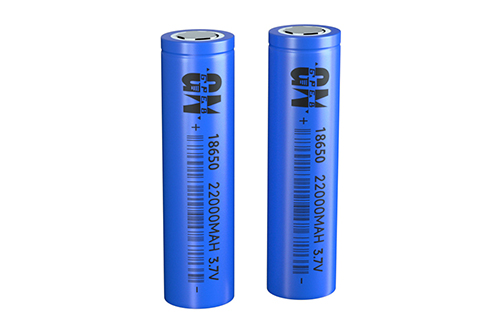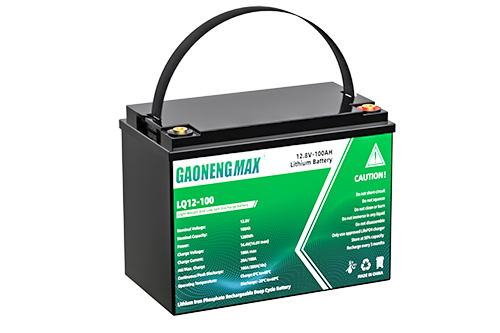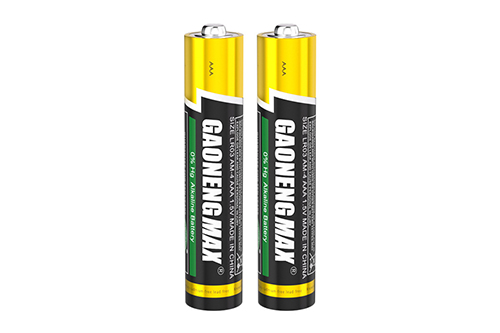
Lithium Battery 3.7V Lithium Polymer Battery 3.2V LifePo4 Battery 1.2V Ni-MH Battery Button Coin Battery

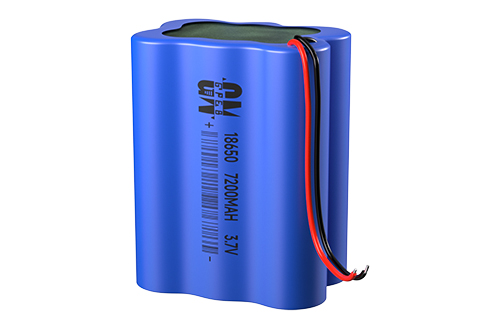
3.7V Battery Pack 7.4V Battery Pack 11.1V Battery Pack 14.8V Battery Pack Other Battery Pack
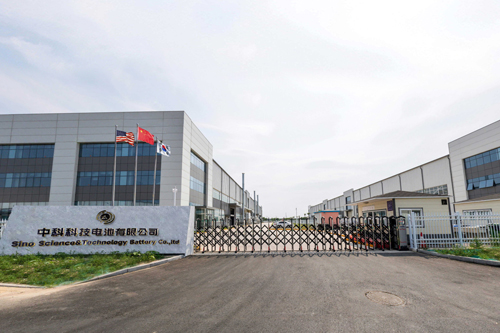
Sino Science&Technology Battery Co.,ltd is a high-tech production enterprise which specialize in the R&D and production of Lifepo4 batteries,energy storage battery,portable UPS power supply,personalized customization lithium battery pack etc .

Environmental cylindrical 18650 21700 32700 26650 14500 18500 lithium ion rechargeable battery, LifePO4 battery,3.7V lithium polymer battery, NiMH battery , NiCD battery ,Lead acid battery,dry cell battery ,alkaline battery ,heavy duty battery, button cell battery etc. we devote to R&D,innovation ,production & sales
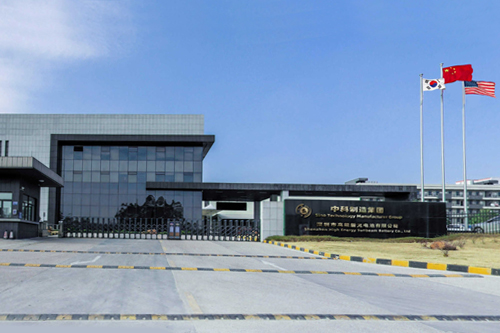
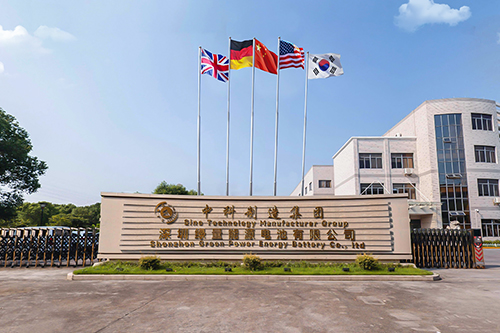
Shenzhen Green Power Energy Battery Co.,ltd specializes in a wide range of digital battery such as environmental cylindrical 18650 21700 32700 26650 14500 18500 lithium ion rechargeable battery, LifePO4 battery, 3.7V lithium polymer battery, NiMH battery, NiCD battery, dry cell battery, alkaline battery, heavy duty battery, button cell battery etc. we devote to R&D, innovation, production & sales. With automatic production machines we have been exported goods to all over the world over 15years. We have complete exported certificate such as KC, CE, UL, BSCI, ROHS, BIS, SGS, PSE etc
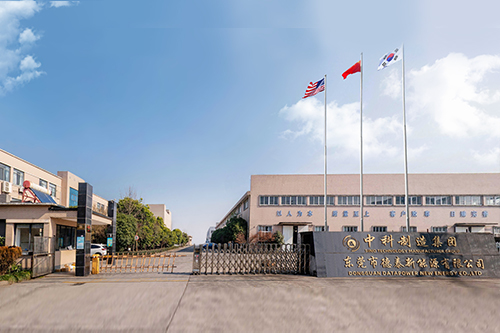
Dongguan Datapower New Energy Co.,ltd is a high-tech production enterprise which specialize in the R&D and production&sale of lithium polymer batteries,drone battery,airplane batteries &battery pack etc.
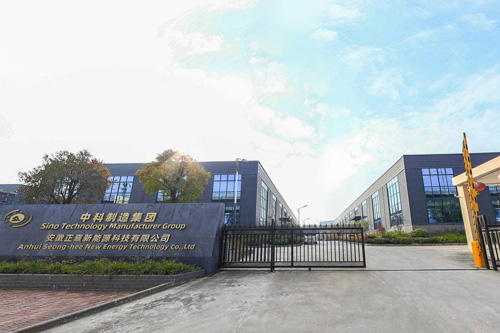
Anhui Seong-hee New Energy Technology Co.,ltd is a high-tech production enterprise which specialize in the R&D and production of primary batteries. And mainly produces and sells alkaline batteries & carbon zinc batteries. there are size AA, AAA, C, D, 9V etc
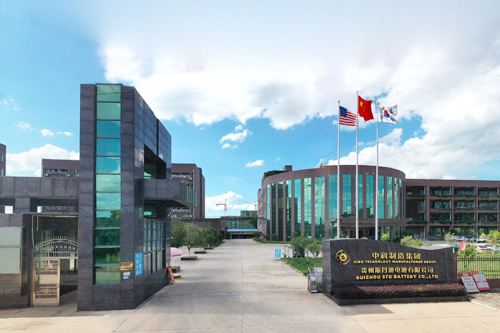
Guizhou STD Battery Co.,ltd is a high-tech production enterprise which specialize in the R&D and production & sale of lithium polymer batteries, drone battery, airplane batteries & battery pack etc.
release time:2023-10-20 Hits: Popular:AG11 battery

In the "Energy Basic Plan", the Japanese government positions hydrogen energy as a core secondary energy alongside electricity and thermal energy, and proposes the vision of building a "hydrogen energy society", hoping to realize hydrogen energy in homes, industries, and transportation through hydrogen fuel cells. applications in other fields, thereby achieving true energy independence. The Japanese government's technical development support for hydrogen and fuel cells is state-led, with special scientific research funds invested in the New Energy Industry Technology Development Organization (NEDO).
Toyota's first commercial fuel cell vehicle "MIRAI" was launched in December 2014. The car's acceleration time from 100 kilometers to 100 kilometers is about 10 seconds, and its maximum cruising range is more than 700 kilometers. It only takes 3 minutes to replenish hydrogen fuel. It is expected to have an annual output of 30,000 units in 2020. It plans to reduce the price of fuel cell vehicles to about 100 kilometers by 2025. $20,000. In 2026, the Japanese government plans to complete the sales target of 2 million hydrogen fuel cell vehicles and the construction target of 1,000 hydrogen refueling stations.
Fuel cell vehicles have obvious advantages
Fuel cell vehicles are vehicles in which hydrogen and oxygen in the air produce electricity through an electrochemical reaction to drive the motor. They have high energy efficiency, low carbon dioxide emissions (or no emissions), long driving distances (currently more than 500 kilometers), and low hydrogen costs ( It has the advantages of being 1/3 of the price of gasoline), short refueling time (about 3 minutes), and its performance is equivalent to that of gasoline vehicles.
The main goal of fuel cell vehicles is to first put commercial cars on the market in 2015. In 2016, fuel cell buses were put on the market. At the same time, fuel cells have been expanded to other transportation vehicles such as forklifts and ships. Secondly, the price of fuel cell vehicles will drop to the same level as current gasoline vehicles and hybrid vehicles by 2025. Finally, the price of hydrogen will be lower than that of gasoline vehicles when fuel cell vehicles are put into the market. Fuel prices, around 2020, will be lower than hybrid vehicle fuel prices.
Fuel cell vehicles also have a distributed power supply function. The electricity generated by fuel cell vehicles can be provided for external use, and the power supply capacity is more than five times higher than that of electric vehicles. It can provide power to evacuation sites in special situations such as disasters, and can also play a peak-shaving role during peak power consumption. Validation tests are currently underway in various places.
In terms of hydrogen manufacturing, transportation and storage, Japan began to build commercial hydrogen stations in 2013 and built 100 hydrogen stations in 2015 centered on the four major urban areas. The distance allowed by users to a gas station is approximately ten minutes by car. Therefore, 100 hydrogen stations in the four major urban areas is the minimum configuration for popularizing fuel cell vehicles.
Fuel cell vehicles can significantly reduce carbon emissions
At present, the energy consumption of transportation vehicles accounts for 20% of Japan's energy use, almost all of which relies on oil. The production of hydrogen used in fuel cell vehicles currently basically uses fossil fuels such as naphtha and natural gas. In the future, energy sources such as lignite and crude oil from abroad will be used along with natural gas, as well as renewable energy sources at home and abroad. The transportation industry will move from oil dependence to energy diversification to improve energy security.
When the number of fuel cell vehicles reaches 6 million units (10% of ordinary household cars in Japan), the cars will reduce carbon dioxide emissions by 9%. Even taking into account the carbon dioxide produced by using petrochemical raw materials to produce hydrogen, it will reduce carbon dioxide emissions by 3.9 million to 7.6 million tons per year.
Read recommendations:
1.5V rechargeable battery.Do you know the advantages and disadvantages of polymer lithium batteries
What should I pay attention to when using robot lithium battery?
Last article:3.2v 30ah lifepo4 battery cell.Introduction to new energy battery shell deep drawing forming technol
Next article:energy storage battery 48v 400ah.Can electric vehicles be charged quickly? Will fast charging affect
Popular recommendation
3.2v 200ah lifepo4 battery
2023-03-22Ni-MH battery packs Vendor
2023-03-22602535 polymer battery company
2023-03-22521133 battery Processing
2023-03-22902030 polymer battery company
2023-03-22551235 180mAh 3.7V
2022-08-19502030 200MAH 3.7V
2023-06-12Lithium Battery LQ-1236
2022-08-19LR20
2022-11-22Coin Battery CR 2025
2022-09-27Ni-MH AAA1000mAh 1.2V
2022-07-01L1325 4LR44
2022-10-09Moving straps (single shoulder design)
2022-09-22Lithium-ion battery GN-300
2022-09-27602030 300MAH 3.7V
2023-06-10CR3032 battery
2023-06-25802540 polymer battery
2023-06-252200mah 18650 battery
2023-06-25lithium lon battery energy storage system
2023-06-25li ion 18650 battery pack maker
2023-06-25High-Rate Discharge Technology for Lithium Batteries
2025-08-05Material Classification of Lithium Batteries
2025-07-22Lithium battery safety
2024-08-16Laptop battery calibration
2024-05-07lifepo4 48v 50ah lithium ion battery.What are the advantages of polymer lithium batteries in attract
2023-12-09Which is the best of lithium iron phosphate batteries and lithium titanate batteries
2023-02-24How long does the power lithium battery usually live?Nickel Hydride No. 14 batteries wholesale
2023-04-06Information contained in lithium battery discharge curves
2023-02-07Extend the service life of multi -core batteries.802540 lipo battery
2023-05-23Advantages of 18650 lithium battery.energy storage battery for solar system
2023-03-25
360° FACTORY VR TOUR